


Fashion: Summer 2026
- Adele Trathan
- May 14
- 2 min read

Summer 2026 style is less about spectacle and more about confidence, comfort and clothes that genuinely work in everyday life, reflecting a broader shift away from trend-chasing and towards longevity.
For Women
For ladies of all ages, the most noticeable change is the continued rise of relaxed tailoring. This is not the sharp, power-dressing tailoring of previous decades, but something softer and more fluid. Lightweight blazers, looser trousers and dresses with gentle structure offer polish without restriction.
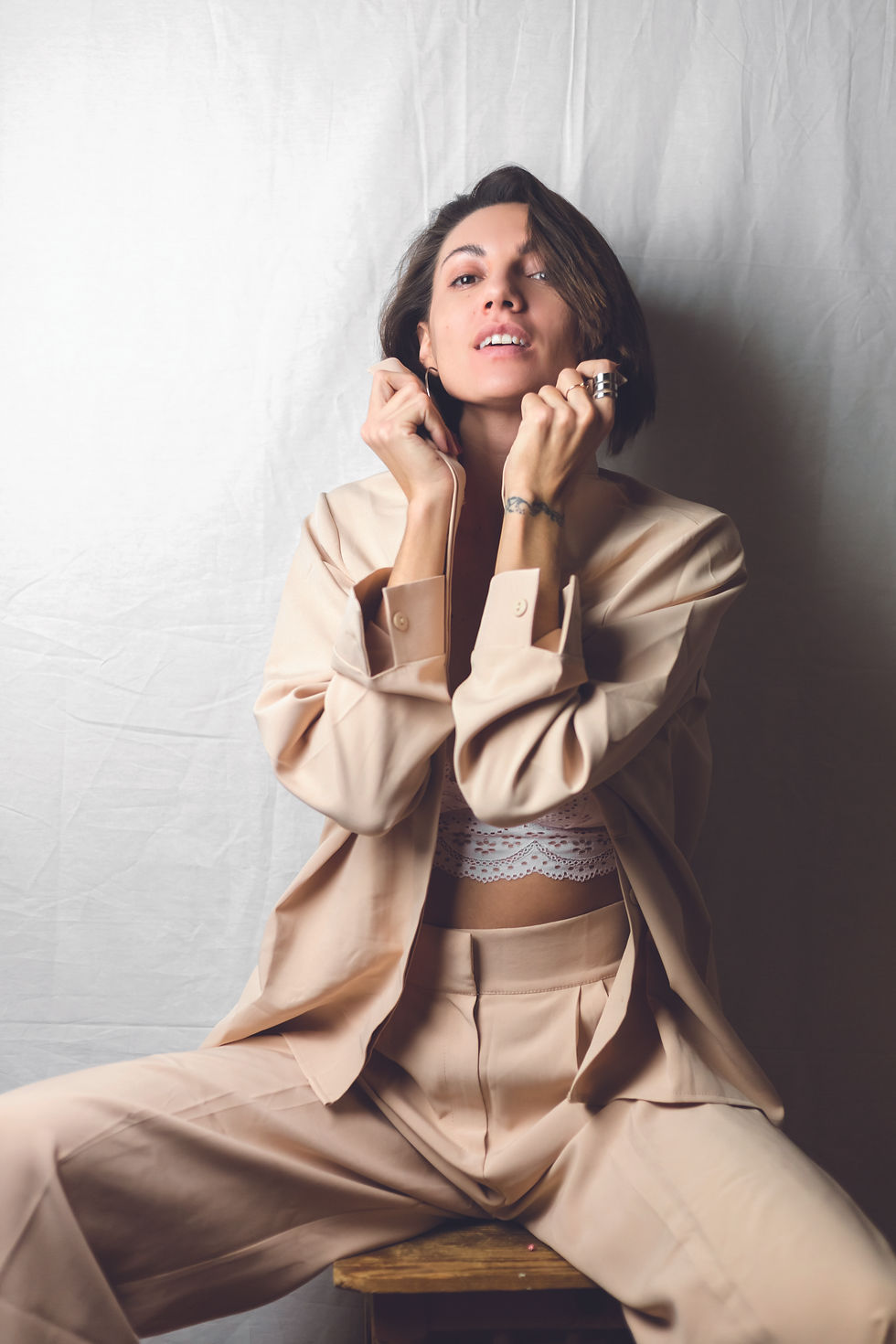
These pieces are designed to move with the body, making them suitable for work, travel and social settings without feeling overly formal. The appeal lies in versatility – garments that can be styled up or down depending on the day.
The second key trend is the dominance of natural, breathable fabrics. Linen, cotton blends and lightweight silks are favoured not just for comfort, but for how they age and wear over time. Creasing is no longer seen as a flaw, but as part of the look. Colour palettes echo this softness, leaning into sun-washed neutrals such as sand, clay, olive and chalky whites. These tones reflect heat rather than absorb it, making them as practical as they are stylish.

Thirdly, texture has replaced embellishment. Instead of sequins, heavy prints or overt decoration, interest comes from crochet, ribbing, open weaves and subtle surface detail.
Beauty trends mirror this restraint. Skin-first routines focus on hydration, sun protection and light coverage, with makeup enhancing natural features rather than masking them. The overall effect is ease rather than effort.

For Men
For masculine types, summer 2026 brings an immediate contradiction – a clear move towards softer silhouettes! Tailoring remains important, but jackets are unlined, trousers sit looser on the leg, and shirts favour relaxed fits. This shift reflects changing expectations around comfort and movement, particularly in warmer months. Clothes are designed to feel lived-in rather than stiff or overly formal.

The second trend is the rise of elevated casualwear. Well-cut T-shirts, knit polos and overshirts form the backbone of summer wardrobes, replacing novelty pieces with items that can be worn repeatedly without dating quickly. Materials matter here too, with breathable fabrics and better-quality finishes separating these pieces from fast-fashion basics.
Finally, restrained colour and practical footwear define men’s summer style. Neutrals dominate, with selective use of muted blues, greens or rust tones for interest. Footwear prioritises comfort and adaptability, refined trainers, lightweight loafers and hybrid styles that work across settings.


Comments