


Travel: Self-Catering Holidays

Lisa de Silva says why not enjoy the comforts of home while discovering a new destination with a self-catering holiday
Once seen as a budget-friendly alternative, self-catering has evolved into a mainstream travel choice, driven by the rise in staycations, a growing desire for authentic local experiences and the expansion of digital platforms such as Airbnb.
The market has been quick to respond, offering an ever-wider range of accommodation, with many hotels now offering apartment-style options tailored to longer stays, blending convenience with independence.
Here, we explore this thriving segment of the holiday market.

Benefits of a self-catering holiday
Cost effective
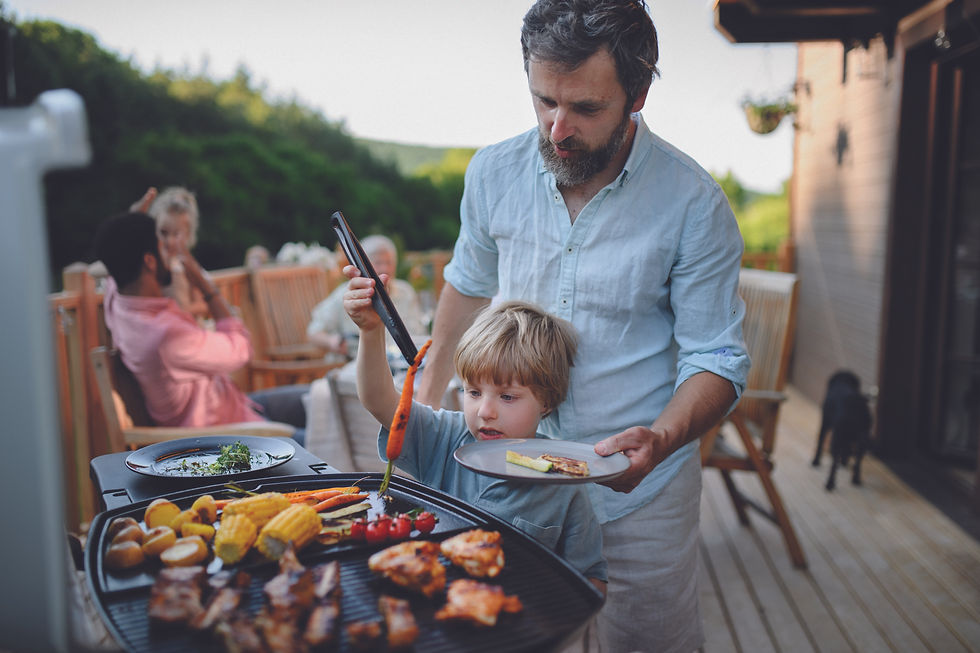
Self-catering accommodation typically includes a fully equipped kitchen, giving you complete control over meals and dining costs. Eating out, especially for families or larger groups, can quickly become expensive, so preparing your own meals can significantly stretch your budget.
Additional savings come from amenities like laundry facilities, reducing the need for excess packing or paid services. When travelling as a group, costs for accommodation and food can also be shared, making it an even more economical option.
Flexibility and control
One of the biggest advantages of self-catering is the freedom it offers. You set your own schedule, from mealtimes to daily activities, without being tied to hotel routines or housekeeping timetables. It also allows you to cater easily to dietary requirements and preferences.
Whether you prefer a spontaneous getaway or a carefully planned itinerary, self-catering adapts to your style. Many properties are also pet-friendly, making them ideal for travellers wishing to holiday with their dogs.

Authentic local experience
Self-catering holidays also offer a unique opportunity to connect with local culture. From shopping at neighbourhood markets to preparing regional dishes, you can experience your destination in a more immersive and meaningful way.
Interacting with local communities and living like a resident, even temporarily, adds depth to your trip, elevating it beyond the typical tourist experience.

Space and privacy
Unlike standard hotel rooms, self-catering properties often provide generous living spaces designed for comfort and relaxation. Shared areas are ideal for socialising, playing games or unwinding together. Outdoor spaces, such as gardens or terraces, add even more room to relax.
At the same time, these properties can provide a sense of privacy, allowing you to retreat, recharge and enjoy your surroundings at your own pace.

Potential downsides
Self-catering holidays may not suit everyone. Travellers who enjoy social interaction might find the experience somewhat isolating. Others may miss the convenience of hotel services such as housekeeping, room service or on-site support. Maintenance issues can also be a concern, particularly if there is no immediate assistance available at the property.
Depending on the accommodation you choose, you may also need to take basic supplies such as tea, coffee, sugar, salt and pepper, as well as cleaning equipment such as laundry detergent, dishwasher tablets and bin bags.
To avoid disappointment, research properties carefully and read reviews to ensure your expectations are met.

Types of accommodation
The range of self-catering options is vast. Choices include rural cottages, city apartments, luxury villas, log cabins, yurts and shepherd huts. For something more unusual, you might consider a converted railway carriage, windmill or even a treehouse.
Many hotel brands have also expanded into apartment-style accommodation, offering a hybrid experience that combines hotel services with the independence of self-catering.
When choosing a property, consider key features such as a well-equipped kitchen, ensuite facilities and any additional amenities that you would like, such as a swimming pool, large garden, hot tub or games room.
Location is equally important, whether you prefer a secluded hideaway, a coastal retreat, or a property within walking distance of shops, cafés and restaurants. Other factors might include pet-friendliness, sustainability, levels of luxury or proximity to specific attractions.

Self-catering home and away
In the UK, popular self-catering destinations include Scotland, the Lake District, Wales and Cornwall, while across Europe, demand also continues to grow. In Spain, retirees and long-stay visitors are increasingly opting for self-catering, while cities like Madrid and Barcelona are seeing a surge in bookings for premium apartments.
Rural gîte accommodation in France continues to flourish, while in Italy the demand for authentic farm experiences has led to strong growth in the agriturismo sector. From Portuguese villas to Danish coastal cottages and Croatian seaside apartments, the trend for self-catering holidays is thriving.
Further afield, traditional Asian villas, bungalows and houseboats are popular choices for independent travellers, as are condos, cabins and apartments, throughout the Americas and Australia.
With such a vast and varied choice, there is a self-catering holiday for virtually all budgets, tastes and desires.


Comments