


Blooming Times: Paint an Iris Rainbow
Iris, the Grecian messenger of the Olympian Gods, flew in a rainbow ribbon of celestial light - such sumptuous flowers could not be better named. And, on a more down-to-earth note, pesky squirrels, deer and rabbits leave them alone, writes Flo Whitaker
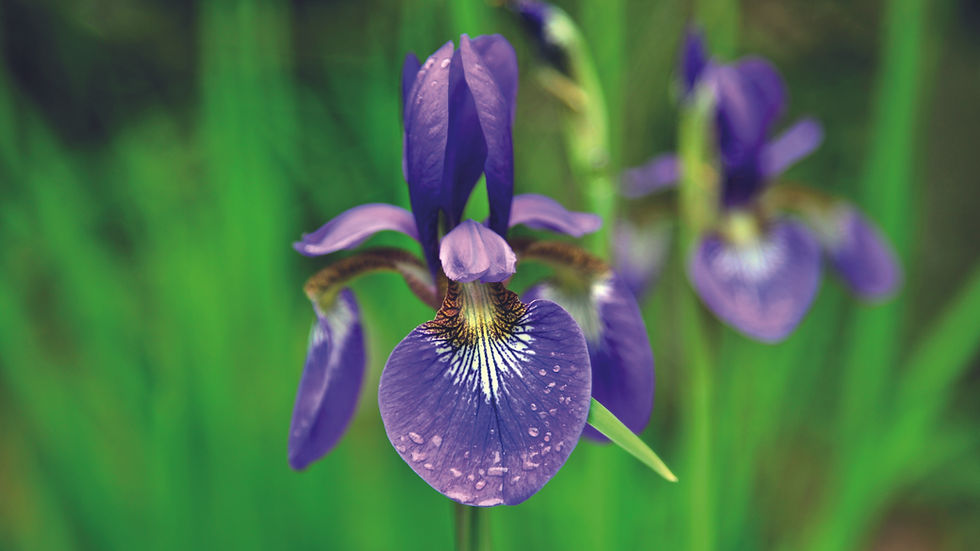
Bearded irises (Iris germanica) are some of the most architecturally arresting characters in the garden. Their hypnotic, sometimes lightly scented flowers are composed of two types of petals: upright ‘ruffs’ and semi-horizontal ‘falls’. A line of small, fuzzy hairs are produced on the fall petals (a guide path for pollinators); hence the common name, ‘bearded’.

Unlike their spring-flowering bulbous cousins, bearded irises produce rhizomes (a swollen modified root) on the soil surface, which, by utilising sunlight, manufacture starchy compounds to nourish the plant. The rhizomes are hardy, but require sharp drainage, light and good air circulation, so give them a sunny spot in your best-drained border.
Incorporating grit around the planting area is helpful, and when mulching nearby plants, ensure the mulch does not accidentally cover the rhizomes - they crave heat and direct light to thrive. Promptly removing faded blooms and old flowering stems is worthwhile. Irises are usually once-flowering, but timely deadheading can sometimes result in a secondary flush of colour.
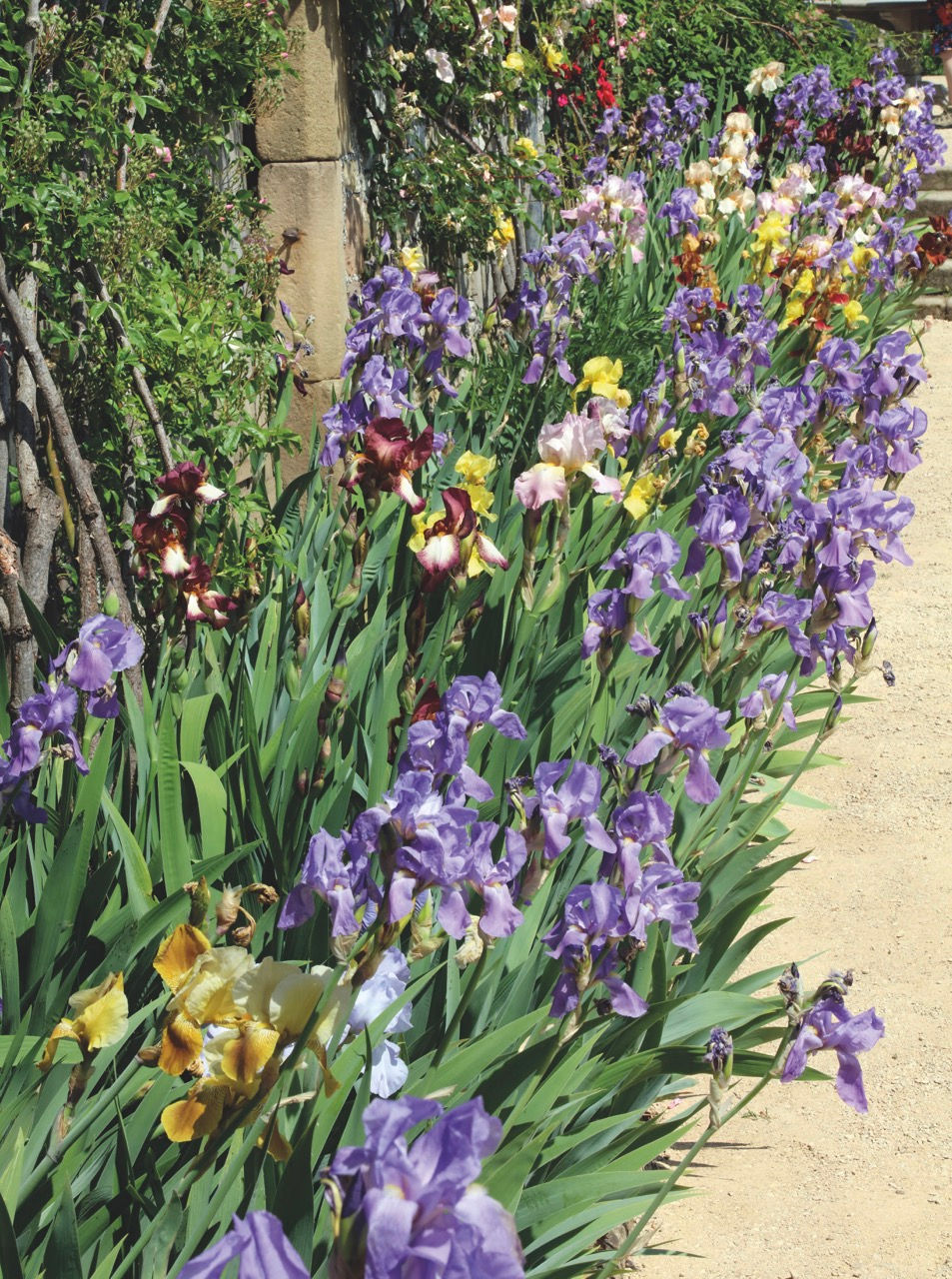
For maximum floral impact, bearded irises should be divided every few years – preferably in early autumn. On an old clump, you’ll notice how the central area dies away, leaving a perimeter of young rhizomes. This new vigorous growth is what you want. Using a fork, gently prize the clump apart, discard old rhizomes and replant sections of juvenile growth, ensuring each one has a good amount of root. To prevent wind rocking the new pieces out of the soil, trim the leaves to approximately 20 cms. This will do no harm - new foliage will soon appear.
Bearded irises are mostly trouble-free, although they can suffer from snail damage or leaf-spotting fungal infections, particularly in damp conditions. Discard fungal-affected foliage (don’t compost it). Chemical treatments are only semi-effective as the spray tends to run off the upright leaves before it can be sufficiently absorbed.

Sibirica irises are related to bearded types but produce clumping, grass-like foliage and conventional root balls rather than surface rhizomes. Their flowers have a refined elegance and are borne on slender stems, giving an overall less ‘chunky’ appearance. Sibirica forms are cooler customers who prefer a damp border. Some varieties require wet bog garden conditions and dappled shade, so check their labels/preferences before you buy. Young plants can take a while to become established, but eventually make substantial clumps that rarely require splitting/dividing.
All irises look sensational in a vase. Alas, as a cut flower, they only last a few days, but vase life can be extended if you harvest them in bud, just as the petal colours are appearing. Keeping them in a cool room, away from heat sources, will prolong the display, enabling you to admire these remarkable flowers in close-up detail.


Comments