


RSPB: Less is More This Winter
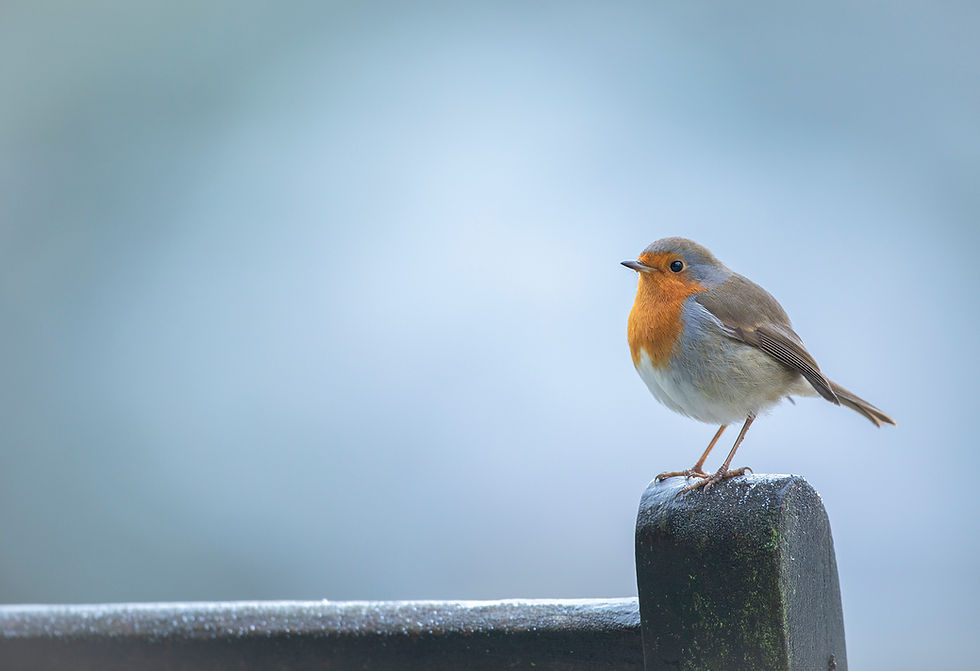
Harriet Brampton from the RSPB explains that less work will equal more wildlife in our gardens this winter and offers top tips to help the wildlife that make our gardens their home
As the temperatures drop and daylight hours fade, there’s a natural draw for us to layer up, and nestle down in a mound of blankets with a warm brew and a cosy book, or TV show. And you shouldn’t feel guilty for neglecting garden jobs during this period, because by leaving your garden to ‘just do its thing’, you’re helping the wildlife that lives there.
Here are our top ‘do the bare minimum’ tips for your winter gardens:

Wild winter gardens are best
During the winter months, it’s important to avoid the urge to cutback and tidy too much. It’s far more beneficial for nature to leave decaying plants intact, as they create a cosy layer for garden mammals and insects to snuggle down in during a cold snap.
Hollowed stems and seed heads offer insects hidey-holes from frosts and may also attract a variety of birds, such as goldfinches, sparrows, siskins, and blue tits to feed. If your hollowed stems have snapped off or you need to trim them slightly, simply tie them into a bundle with string and hang them in your garden.
Some insects will survive there until next year and some will be winkled out by feathered friends. If you have fallen leaves in your garden, gather them into a pile in a quiet corner – insects and small mammals, including our struggling hedgehogs, will thank you for creating a snug home for them.
Leaves swept under hedges also become home to hibernating insects, which in turn are a tasty treat for garden birds. And this layer of decaying mulch also helps to keep moisture at the roots of trees and shrubs.

Pile it high
Dead and decaying wood is anything but dead! It can quickly become a home for many garden critters in its tiny holes and crevices. Make a log pile in your garden to help - if you pop it somewhere that gets good sunlight the wood will dry out and solitary bees, who investigate old beetle holes, may move in.
If you opt for a shady spot the wood will rot quicker, encouraging fungi and mosses to grow. At night look out for woodlice, snails and wood mice emerging from shady woodpiles. Even toads and newts may also use it as a home.
Some creatures like dead wood that is buried. So, you could dig a hole and start your pile underground, make it like an iceberg with some hidden below the surface. Lay the wood horizontally or vertically – if vertical they need to be buried 45cm to 60cm in the ground. Above ground, they should look like organ pipes at different heights.

Plant a tree to hug
Winter is the best time to prune and/or plant a deciduous tree or bush, because they will be dormant – many varieties can be bought very cheaply as bare- rooted plants.
Trees are a fantastic way to improve your local eco system and give your garden wildlife food and shelter.

Top four species to attract birds:
Crab Apple – Crab apple blossoms are an important food source for insects including bees. Thrushes, robins, starlings and greenfinches feed on its fruit and you can turn any spare fruit into jams and preserves – just remember to leave plenty for wildlife!
Birch – 521 species of invertebrates feed on Birch and its catkins are loved by birds like greenfinches and redpolls.
Rowan – Blackbirds, thrushes, waxwings, redstarts, starlings, and fieldfares all enjoy these autumn berries. 60 species of insect have been recorded feeding on members of the rowan family.
Holly – berries from holly bushes are an important food for birds as they can often be found long into the winter months (which is one of the reasons why the plant is synonymous with Christmas).It also provides sturdy and protective shelter from the winter elements and predators.
So, remember that putting your feet up this winter is the best thing you can do for your local nature.

Find out how you can do great things for the wildlife where you live! Whatever your outdoor space – a balcony, courtyard, or garden, find expert tips and tricks to make it a happier place for you and the nature on your doorstep.


Comments